



auftragsrollen
In the ever-evolving landscape of industrial manufacturing, the role of machine tools, or промышленные станы as they are known in Russian, has become more critical than ever. Drawing upon extensive industry experience and expert insights, this article delves into the integral role these industrial machines play, offering a unique perspective on their innovation, usage, and significance in today's manufacturing sector. Industrial machine tools are the backbone of modern manufacturing processes . They provide the precision, efficiency, and versatility necessary to produce components across a myriad of industries, from automotive to aerospace. The expertise involved in operating these machines is highly specialized, as they must be capable of withstanding rigorous and continual use. The evolution of these tools over the years has been driven by advances in technology, increasing demand for precision, and the necessity for efficiency. Among the various types of industrial machine tools, CNC (Computer Numerical Control) machines stand out as a testament to manufacturing evolution. These machines are programmed with intricate software that allows them to perform complex tasks with unparalleled accuracy. Users of CNC machines often speak to their reliability and the significant reduction in production time they offer. The ability to customize these machines for specific tasks makes them invaluable to industrial operations, highlighting the expertise required to optimize their use. Investing in the right industrial machinery involves a complex decision-making process that weighs factors such as cost, required functionality, and company-specific manufacturing demands. Trustworthiness in a supplier becomes paramount. When selecting a machine, manufacturers not only consider the machine's specifications but also the reputation of the supplier, the quality of after-sale service, and the availability of spare parts. Authoritative brands with a history of innovation and reliability often dominate this space; names like Haas and Mazak are frequently mentioned by industry professionals. A key area where innovation is making a significant impact involves the integration of IoT (Internet of Things) with industrial machinery. This technological synergy enhances the Experience of machine operators by providing real-time data and analytics, which improve machine maintenance schedules, predict malfunctions before they occur, and optimize operations for maximum output. This integration is not merely a trend but a shift that defines the current era of manufacturing, enabling smarter factories and sustainable production processes. industrial stands Moreover, the environmental impact of manufacturing processes has led to an increased focus on sustainability. Modern industrial machinery is often designed with energy efficiency in mind, reducing both operational costs and emissions. This aspect is crucial in building trust with consumers and regulatory bodies concerned with environmental standards. Companies that advertise lower carbon footprints and echo manufacturing tend to stand out in this regard. The complex environment in which industrial machinery operates today means that purchasing decisions often involve partnerships between machinery suppliers and manufacturers. These partnerships are built on trust, performance guarantees, and shared goals of productivity and sustainability. Manufacturers often rely on third-party audits and certifications to verify the performance and sustainability claims of machine tool suppliers. Yet, despite these advancements, the human element remains irreplaceable. Skilled operators translate technological potential into productivity. Training these operators is an investment in their capabilities and future. As noted by industry veterans, the nuances of operating and maintaining sophisticated machinery cannot be understated, emphasizing the blend of human skill and technological advancement. In closing, the world of industrial machinery is a dynamic, ever-shifting field that necessitates perpetual learning and adaptation. Those who succeed in this arena do so by balancing technological acumen with practical insights, recognizing the symbiotic relationship between man and machine. As manufacturers continue to push boundaries, the importance of maintaining Experience, Expertise, Authoritativeness, and Trustworthiness becomes ever more apparent, ensuring they stay at the forefront of global industry advancements.

We have successfully executed over 500
projects around the world,
many first-of-their-kind
research projects and products in China, including
We have successfully executed over 500
projects around the world,
many first-of-their-kind
research projects and products in China, including
-
2004
The 1st hydraulic AGC system for hot rolling of ribbon steel
-
2006
The 1st AFC system used for 1450mm skin pass mill
-
2009
The 1st 5-stand tandem line with 2-stand POR & Uncoiler for 650mm ribbon steel
-
2012
The 1st reversing mill for 1380mm strip
-
2016
The 1st soft-rolling system used in skin pass mill
-
2019
The 1st fully automated medium-width tandem cold rolling mill
-
2021
The 1st 5000KN Twin-stand double skin pass mill
-
2022
The 1st coupled pickling line & tandem cold mill with two modes - big roller & small roller
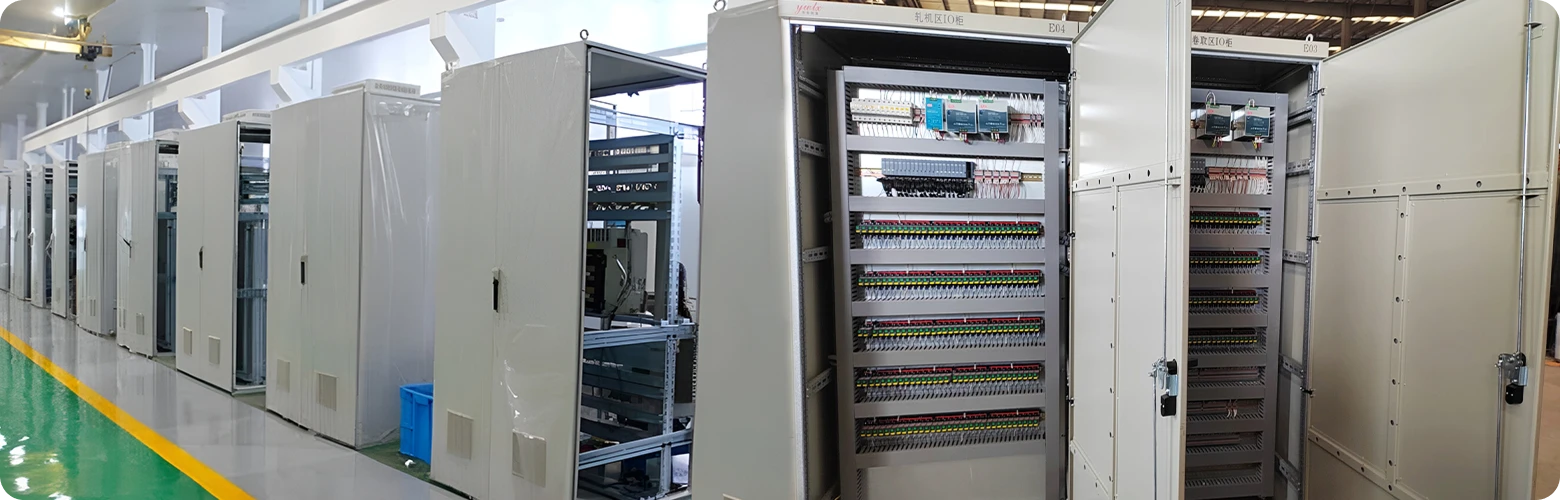
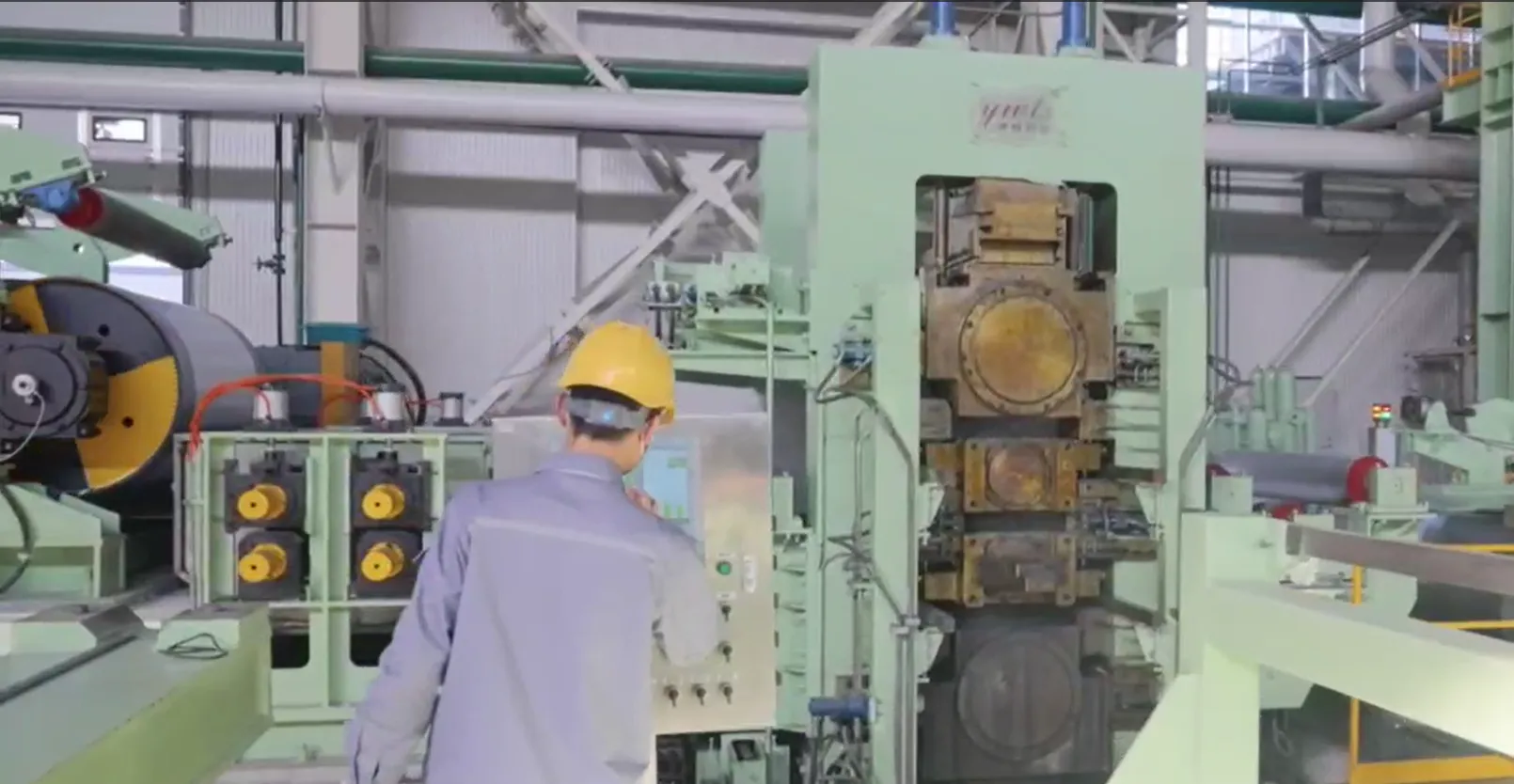
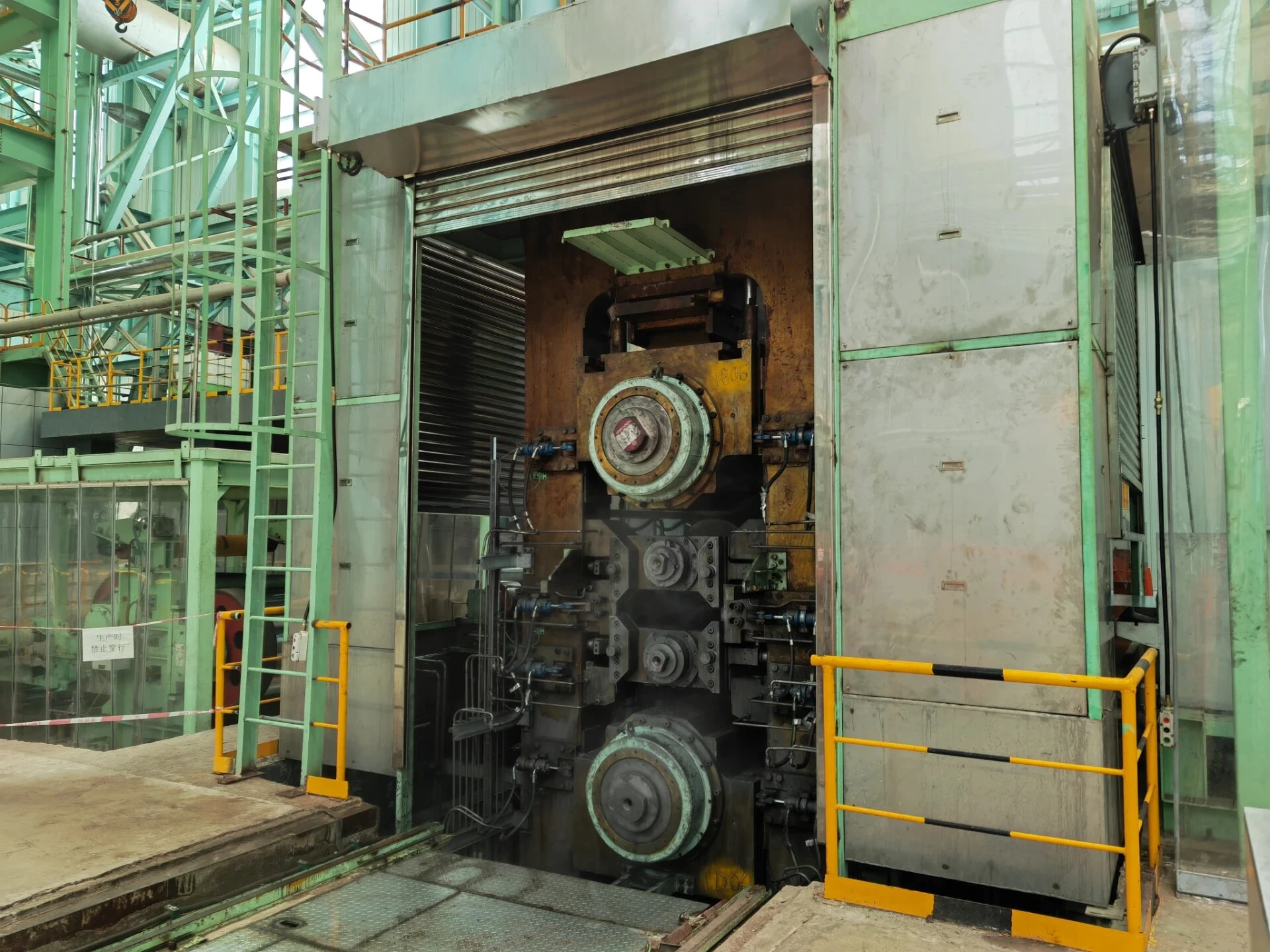
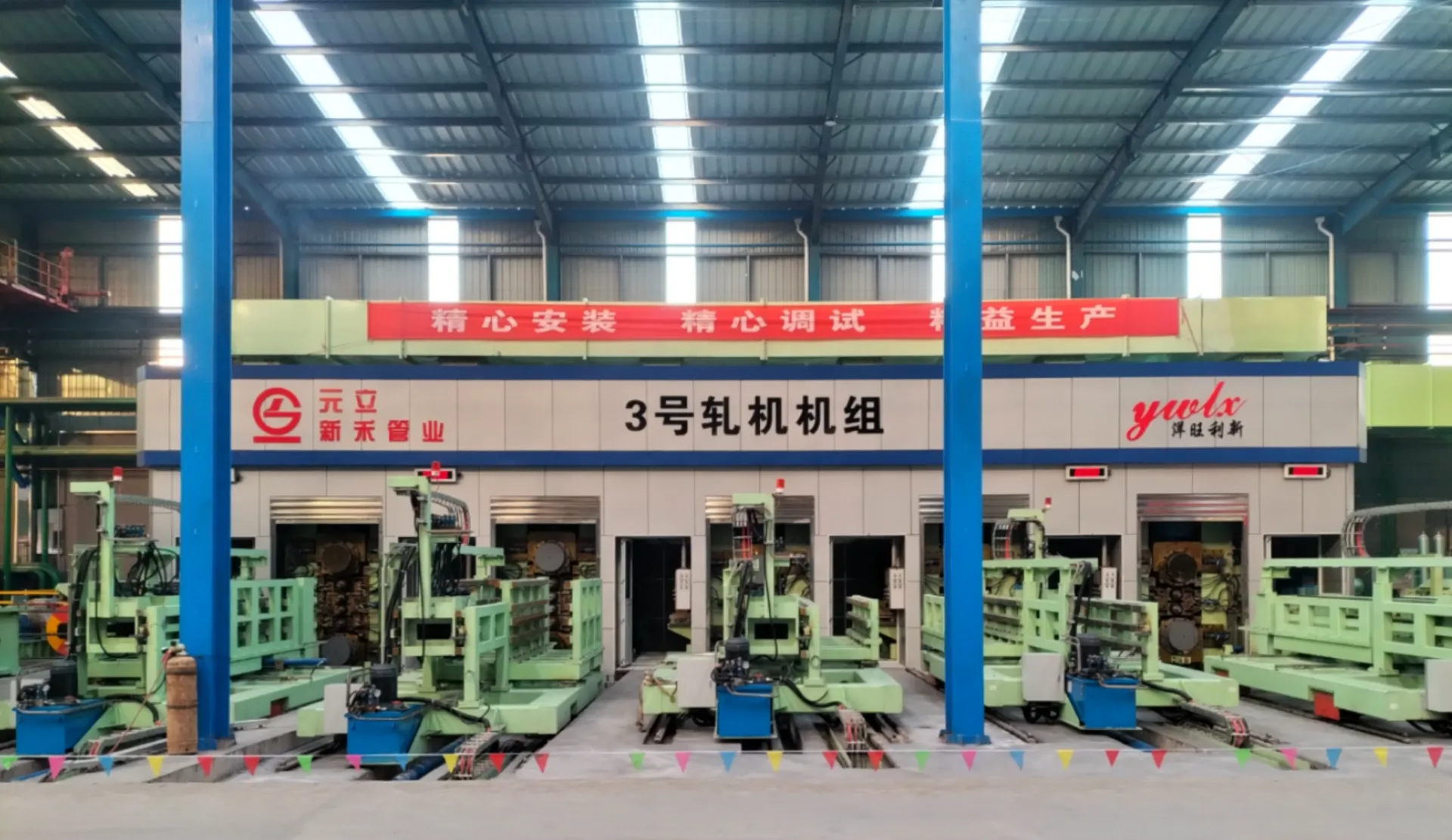
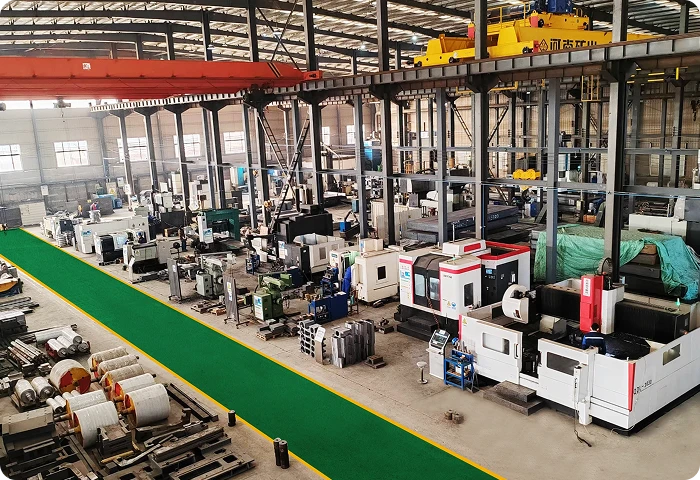
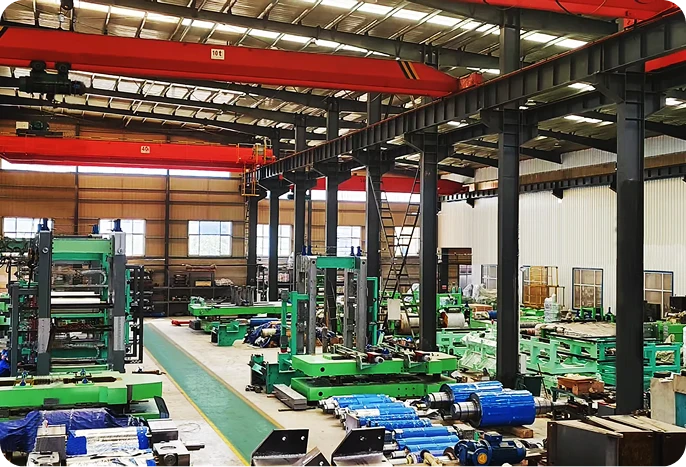
Yang Wang Li Xin operates a state-of-the-art facility over 66,000 square meters,and our manufacturing facility is fully equipped with high-tech machinery and high-capacity cranes. This enables us to handle large work pieces measuring 4.5m in width, 10m in length, and 1.5m in height, guaranteeing our capacity to produce 1800mm skin-pass mills and 1450mm rolling mills. The individual piece can weigh up to 100 tons.


Quality is fundamental to the enterprise survival. We have established a comprehensive and meticulous quality management system and have successfully obtained ISO14000 certification. Starting from the design source, it supervises the entire production cycle, including design, procurement, processing, assembly, in-factory testing, installation, and online commissioning. The workshop is equipped with measuring tools like vernier calipers, spectrometers, hardness testers, and ultrasonic flaw detectors. They are used to check materials and control tolerances to ensure the final equipment meets or exceeds requirements. All products have a unique code, This enables the easy identification and traceability of the equipment components and ensures full control of quality.


-
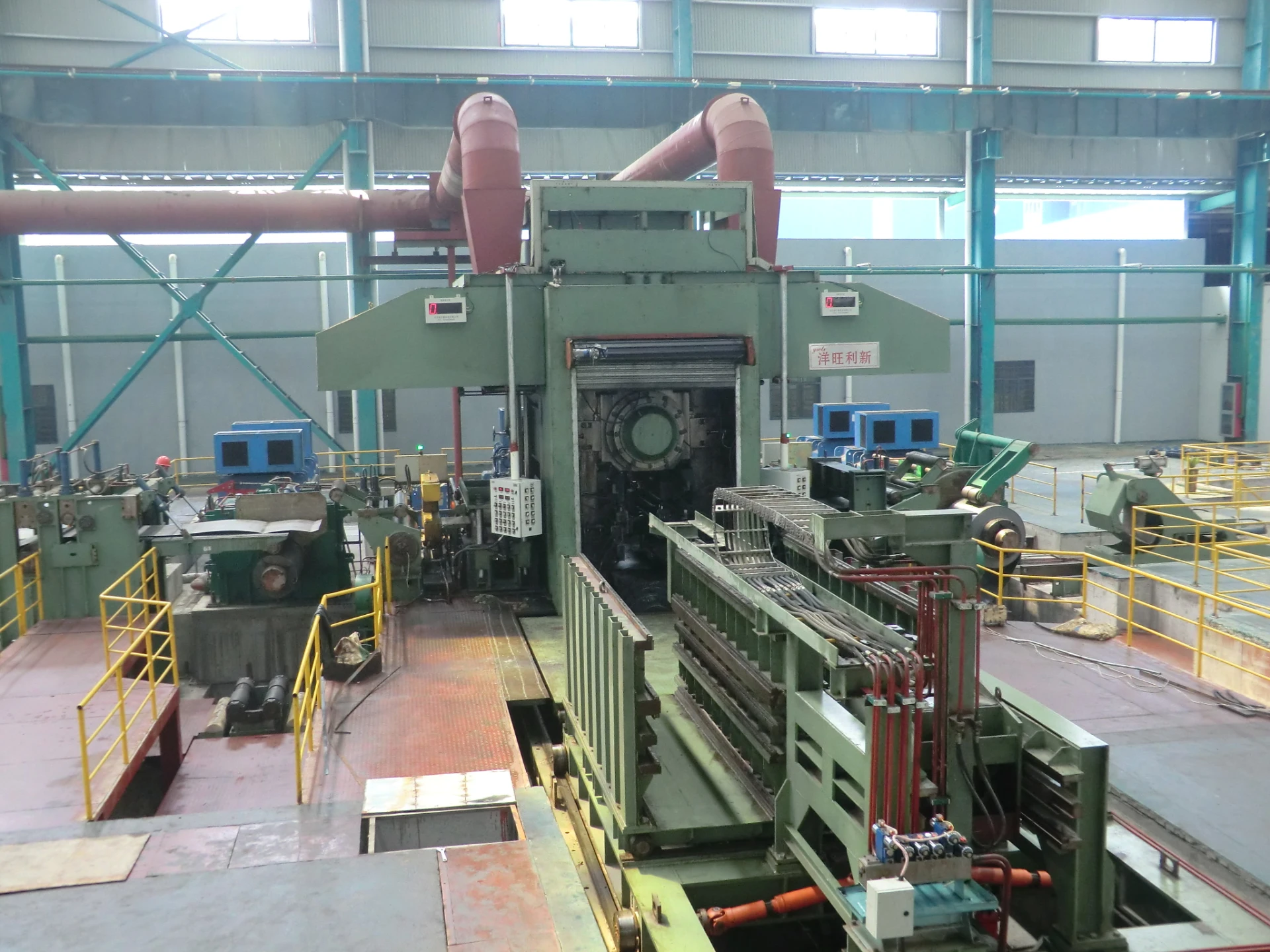 6 hi reversing cold rolling millIn the dynamic world of industrial machinery, tailored solutions are often the key to success, especially when standard equipment cannot meet specific operational demands. Custom-made rolling mills [オーダーメイドの圧延機] exemplify this trend, delivering unique advantages that cater to distinct needs found in various industries. Having spent over two decades in the fabrication and optimization of rolling mi
 -
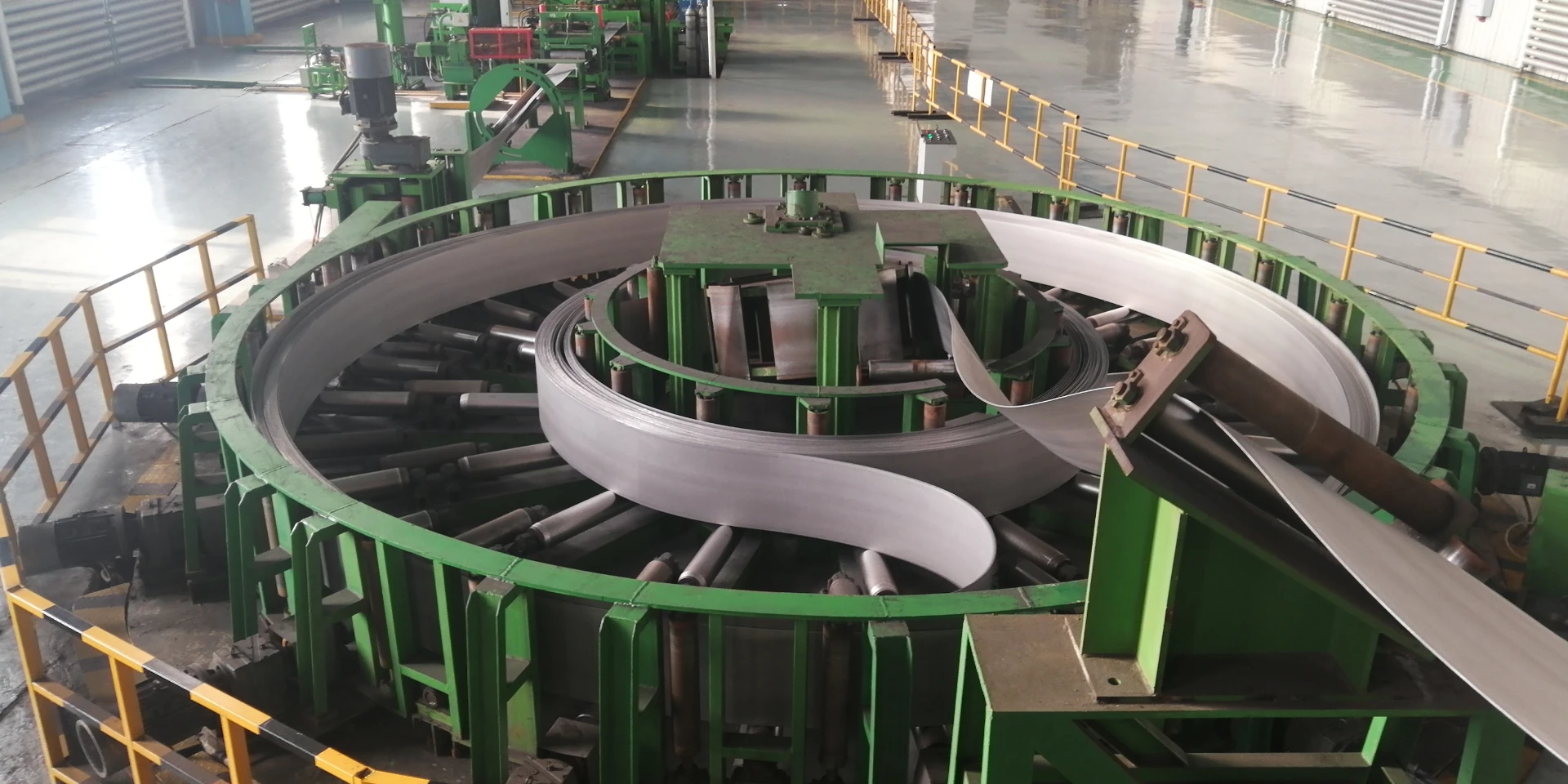 Cold Rolling Mill Reverse Mechanism for Enhanced Steel Processing EfficiencyThe Role and Importance of Reverse Rolling Mills in Cold Rolling Processes In the field of metal manufacturing, cold rolling processes play a crucial role in shaping and enhancing various metal products. Among the sophisticated machinery utilized in this domain, the reverse rolling mill stands out as a significant innovation. This article delves into the function, design, and advantages of reverse
 -
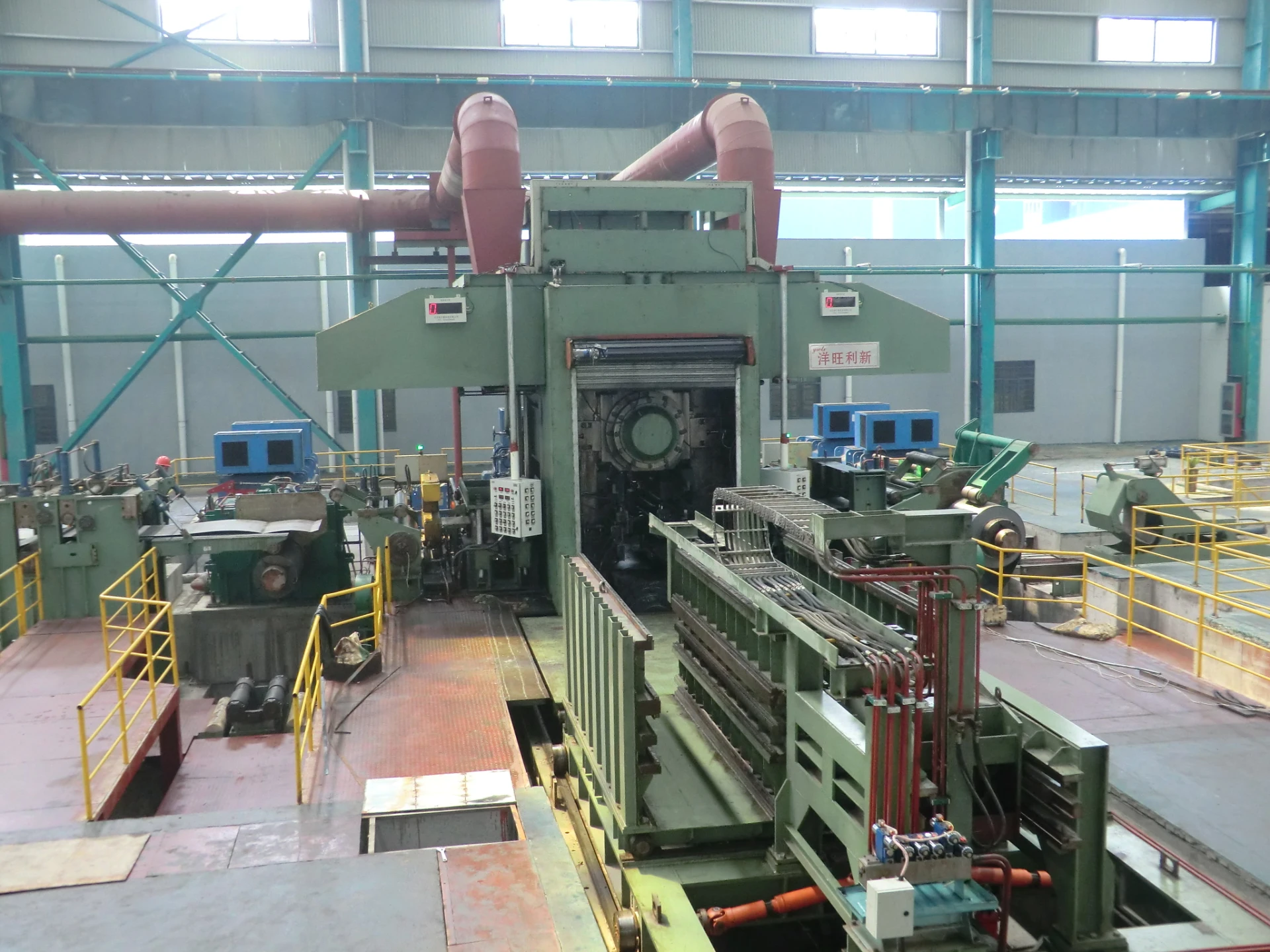 Enhancing Downstream Processability With Skin Pass Finishing TechniquesIn contemporary metal production, the skin pass mill has evolved into a critical bridge between primary rolling operations and downstream manufacturing processes. This sophisticated finishing technique, typically involving minimal reductions of 0.5% to 3%, serves as the final arbiter of material quality before metal coils enter fabrication facilities. The strategic importance of skin pass rolling


